
In the industrial landscape, high efficiency inlet air filters play a pivotal role in maintaining the smooth and efficient operation of various systems, from gas turbines to HVAC units. As a supplier of high efficiency inlet air filters, I've witnessed firsthand the significance of understanding the factors that influence their performance. This knowledge is not only crucial for optimizing the use of these filters but also for ensuring the longevity and reliability of the equipment they protect.
Filter Media characteristics
The filter media is the heart of a high efficiency inlet air filter. Its properties determine the filter's ability to capture and retain particles. One of the most critical characteristics is the pore size. A smaller pore size generally allows the filter to capture finer particles, increasing its efficiency. However, it also restricts airflow, which can lead to higher pressure drops across the filter. For example, a sub - micron pore size filter can effectively trap extremely small particles like bacteria and viruses, but it might require more energy to push air through compared to a filter with a larger pore size.
The density of the filter media also affects performance. A denser media can hold more particles before becoming clogged, but it may slow down the airflow. On the other hand, a less dense media allows for better airflow but may need to be replaced more frequently as it fills up with particles more quickly. Additionally, the material of the filter media is significant. Different materials have different chemical and physical properties. For instance, synthetic materials are often more resistant to moisture and chemicals, while natural materials may be more environmentally friendly. Our High Efficiency Inlet Air Filter uses advanced synthetic media that combines high particle capture efficiency with excellent durability.
Airflow Rate
The airflow rate through the filter is another key factor. When the airflow rate is too high, particles may pass through the filter without being captured, reducing its efficiency. This is because the high - speed air can carry particles through the filter pores before they can be trapped. Conversely, if the airflow rate is too low, it may not be sufficient to meet the requirements of the system, leading to reduced productivity. For example, in a large industrial gas turbine, an appropriate airflow rate must be maintained to ensure optimal combustion and power generation. Our team of experts can help you determine the ideal airflow rate for your application based on the type of Fine Particle Air Filter you choose.
Particle Size and Concentration
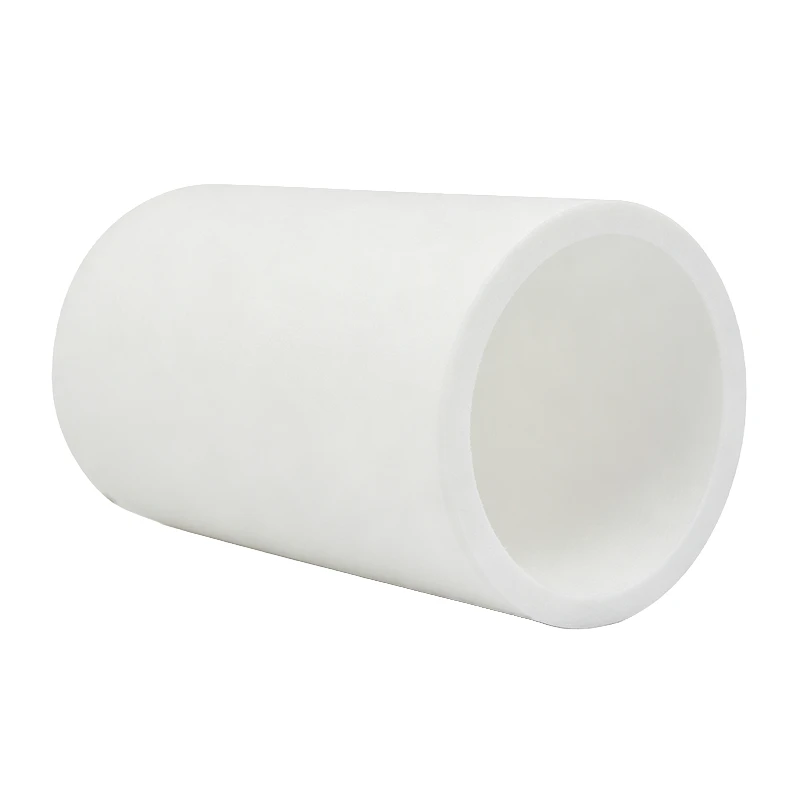
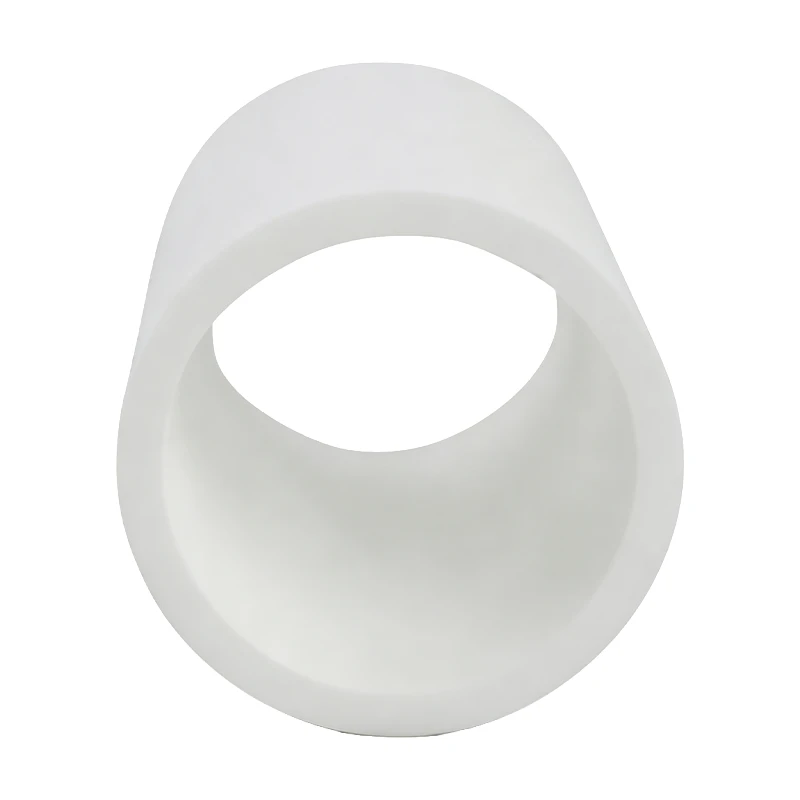
The size and concentration of particles in the inlet air have a direct impact on the filter's performance. Fine particles, such as those in the range of 0.1 - 1 micron, are often the most challenging to capture. They are small enough to slip through the larger pores of some filters and can cause long - term damage to sensitive equipment. Higher particle concentrations in the air mean that the filter will fill up with particles more quickly, requiring more frequent replacements. In areas with high levels of dust, such as construction sites or mining operations, our Air Intake Prefilter Element can be installed as a pre - treatment step to reduce the particle load on the main high - efficiency filter.
Humidity and Temperature
Humidity and temperature can significantly affect the performance of high efficiency inlet air filters. High humidity can cause particles to clump together, which may change the filtration dynamics. In some cases, moisture can also cause the filter media to swell, altering its pore size and reducing its efficiency. Moreover, humid conditions can promote the growth of mold and bacteria on the filter, which not only reduces its performance but can also contaminate the air.
Temperature variations can also impact the filter. Extreme temperatures can cause the filter material to expand or contract, potentially leading to cracks or gaps that allow particles to bypass the filter. In high - temperature environments, the filter media may degrade more quickly, reducing its lifespan. Our Moisture Separator Filter Element is designed to handle varying humidity levels and protect the main filter from moisture - related issues.
Installation and Maintenance
Proper installation is essential for the optimal performance of high efficiency inlet air filters. Incorrect installation can lead to air leaks around the filter, allowing unfiltered air to enter the system. This not only reduces the effectiveness of the filter but can also cause damage to the equipment. For example, if a Cylindrical Air Filter Cartridge is not installed tightly, dust can bypass the filter and accumulate in the turbine, causing wear and tear on the components.
Regular maintenance is equally important. This includes monitoring the pressure drop across the filter, which is an indicator of how clogged the filter is. When the pressure drop reaches a certain threshold, it is time to replace the filter. Failure to replace a clogged filter in a timely manner can lead to increased energy consumption, reduced equipment performance, and even system failures.
Compatibility with the System
The high efficiency inlet air filter must be compatible with the overall system in which it is installed. This includes factors such as the size of the filter housing, the airflow direction, and the type of equipment it is protecting. A filter that is too large or too small for the housing may not fit properly, leading to air leaks. Similarly, if the filter is not designed to handle the specific airflow direction of the system, its performance may be compromised.
Conclusion
As a supplier of high efficiency inlet air filters, I understand the complexity of factors that can affect the performance of these essential components. By considering the filter media characteristics, airflow rate, particle size and concentration, humidity and temperature, installation and maintenance, and compatibility with the system, you can ensure that your high efficiency inlet air filter operates at its best.
If you are in the market for high - quality inlet air filters or need further assistance in understanding how these factors apply to your specific application, please feel free to reach out. Our team of experts is ready to help you select the most suitable filters and provide guidance on installation and maintenance.
References
- Brown, R. C. (2015). Fundamentals of Air Filtration. Elsevier.
- ISO 16890:2016. Air filters for general ventilation — Determination of filtration performance.
- ASHRAE Standard 52.2 - 2017. Method of Testing General Ventilation Air - Cleaning Devices for Removal Efficiency by Particle Size.