
How does a mobile welding fume extractor work in a high - altitude environment?
Welding is a common industrial process that generates a significant amount of fume and particulate matter. In any environment, protecting the health of workers from these hazardous substances is crucial. However, when it comes to high - altitude environments, the operation of mobile welding fume extractors becomes a topic that requires more in - depth exploration. As a supplier of Mobile Welding Fume Extractors, I am eager to share with you how these devices function effectively under such unique conditions.
The Basics of Mobile Welding Fume Extractors
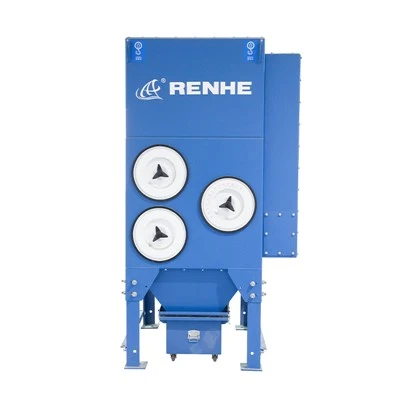
Before delving into the high - altitude aspects, let's first understand how mobile welding fume extractors generally work. A Mobile Welding Fume Extractor is designed to capture, filter, and remove welding fumes from the air at the source. It typically consists of a capture hood, a fan system, a filtration unit, and a collection bin.
The capture hood is placed near the welding area. When the welding process begins, the fan inside the extractor is activated, creating a suction force. This suction draws the welding fumes, which are a complex mixture of metal oxides, gases, and particulate matter, into the capture hood.
Once inside the extractor, the fumes pass through the filtration unit. There are different types of filters available, such as cartridge filters and bag filters. These filters are designed to trap the particulate matter in the fumes. The filtered air then exits the extractor, and the collected dust is deposited into the collection bin for proper disposal.
Challenges in High - Altitude Environments
High - altitude environments present several challenges for the operation of mobile welding fume extractors. The most significant factor is the lower air density. As altitude increases, the atmospheric pressure decreases, and the air becomes thinner. This reduced air density can have a direct impact on the performance of the extraction system.
- Suction and Airflow: The fan in the welding fume extractor relies on the density of the air to create suction. In a high - altitude environment, the thinner air means that the fan has to work harder to move the same volume of air. This can result in reduced airflow rates, which may affect the extractor's ability to capture fumes effectively. To compensate for this, the fans in mobile welding fume extractors used in high - altitude areas may need to be more powerful or specifically designed to operate under low - density air conditions.
- Filter Performance: The filtration efficiency of the extractor can also be influenced by the lower air density. The interaction between the dust particles and the filter media is affected by the airspeed and the air density. In high - altitude conditions, the reduced air density may cause the dust particles to move differently through the filter, potentially reducing the filter's ability to capture all the particles. This may require more frequent filter replacements or the use of more advanced filter materials.
- Power Supply: High - altitude areas may also have limited or unstable power supplies. Many mobile welding fume extractors are electrically powered, and a stable power source is essential for their proper operation. In such cases, extractors with alternative power options, such as diesel - powered or battery - powered models, may be more suitable.
Adaptations for High - Altitude Operation
To overcome these challenges, mobile welding fume extractors can be adapted in several ways.
- Fan Design: Manufacturers can design fans with larger impellers or higher rotational speeds to maintain adequate airflow in low - density air. These fans can be optimized to work efficiently at high altitudes, ensuring that the suction force remains strong enough to capture the welding fumes.
- Filtration System Upgrades: Using high - efficiency filter media that are less affected by air density changes can improve the extraction performance. Additionally, incorporating a filter monitoring system can help operators know when the filters need to be replaced, ensuring consistent filtration efficiency.
- Power Management: For areas with unreliable power, as mentioned earlier, offering alternative power supply options is crucial. Battery - powered extractors can provide a portable and reliable solution, while diesel - powered models can offer high - power operation for longer durations without the need for a continuous electrical supply.
Comparison with Other Dust Collectors in High - Altitude Environments
When considering dust collection in high - altitude industrial settings, it's also useful to compare mobile welding fume extractors with other types of dust collectors.
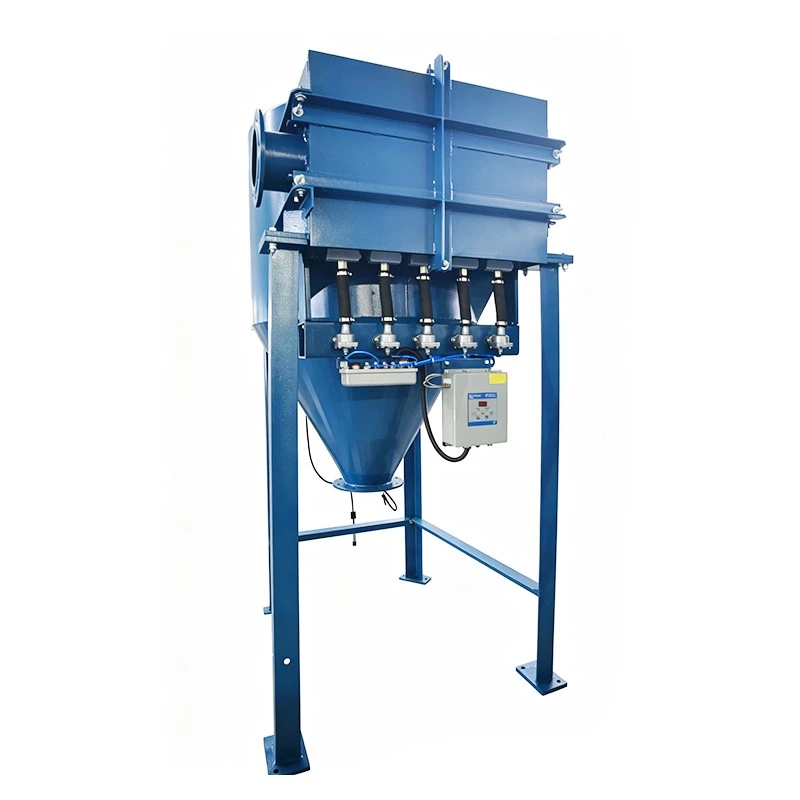
- Industrial Cartridge Dust Collector: Industrial cartridge dust collectors are often used in larger industrial applications. They typically have a higher capacity for dust collection compared to mobile welding fume extractors. However, their size and fixed installation may make them less suitable for high - altitude welding operations, where mobility is often required. In high - altitude situations, the same air density - related challenges apply, but the scale of the equipment makes it more difficult to retrofit for optimal performance.
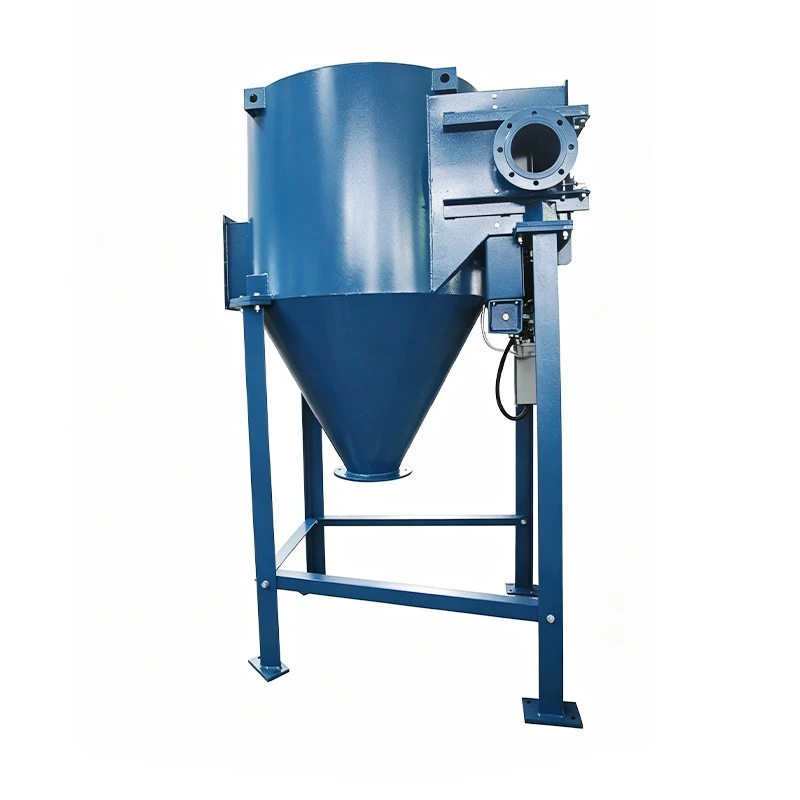
- Cement Silo Dust Collector: Cement silo dust collectors are designed specifically for collecting dust from cement handling processes. These are often large - scale, stationary units. Similar to industrial cartridge dust collectors, they face challenges with air density in high - altitude environments. Moreover, the application of cement silo dust collectors is limited to the cement industry and has little direct relevance to welding fume extraction.
- Horizontal Cartridge Dust Collector: Horizontal cartridge dust collectors are a variation of cartridge dust collectors with a horizontal filter arrangement. While they offer some advantages in terms of space utilization, they also have the same air - density - related issues in high - altitude areas as other cartridge - based systems. Their relatively larger size compared to mobile welding fume extractors makes them less ideal for mobile welding operations.
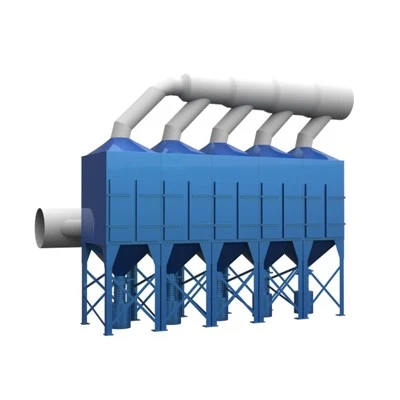
- Industrial Baghouse Dust Collector: Industrial baghouse dust collectors use fabric bags to filter dust. They are known for their high - dust - loading capacity. However, they are large, heavy, and stationary, which is a significant drawback for high - altitude welding work. The air density changes at high altitudes can also affect the airflow through the bags, potentially reducing their filtration efficiency.
The Importance of Proper Maintenance in High - Altitude Use
In high - altitude environments, proper maintenance of mobile welding fume extractors is even more critical. The harsh conditions and the additional stress on the equipment can lead to more rapid wear and tear.
Regular filter inspections and replacements are essential to ensure that the extraction system continues to operate effectively. The seals and gaskets in the extractor should also be checked regularly for any signs of damage, as air leakage can significantly reduce the suction efficiency.
Additionally, the electrical components or power sources of the extractor need to be maintained according to the manufacturer's instructions. For example, if it is a battery - powered extractor, the battery should be charged and stored properly to ensure its longevity.
Conclusion and Call to Action
In conclusion, mobile welding fume extractors can work effectively in high - altitude environments with the right design adaptations and proper maintenance. As a supplier of these essential devices, we are committed to providing high - quality, reliable mobile welding fume extractors that can meet the unique challenges of high - altitude operations.
If you are involved in welding work in high - altitude areas and are looking for a suitable mobile welding fume extractor, we invite you to contact us. Our team of experts can provide you with detailed information about our products, help you choose the most appropriate model for your needs, and offer support throughout the purchasing process.
References
- "Industrial Ventilation: A Manual of Recommended Practice", American Conference of Governmental Industrial Hygienists.
- "Dust Collection Handbook", Donald W. Cooper and F. C. Alley.