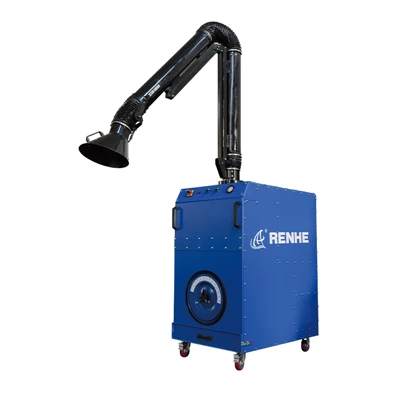
Industrial filtration elements are core components of industrial equipment. Their primary function is to separate impurities and particulates from fluids, thereby ensuring stable production processes and the safe operation of equipment, while simultaneously enhancing the quality of the final product.
Core Fundamental Functions
Impurity Interception and Separation: Precisely captures solid particles, welding slag, oxide scale, dust, and other impurities from gases and liquids, preventing contaminants from entering downstream processes.
Protection of Core Equipment: Prevents impurities from causing wear on critical components such as pumps, valves, heat exchangers, and precision instruments; reduces the likelihood of equipment failure and extends overall service life.
Enhancement of Fluid Cleanliness: Significantly improves the cleanliness level of industrial fluids through filtration and separation technologies, meeting purity requirements for media across various production stages.
Specialized Functions by Application Scenario
Oil & Gas Extraction/Water Well Construction: Serves as a core sand-control component, blocking solid sand particles from entering fluid channels, reducing equipment wear, and ensuring stable production operations.
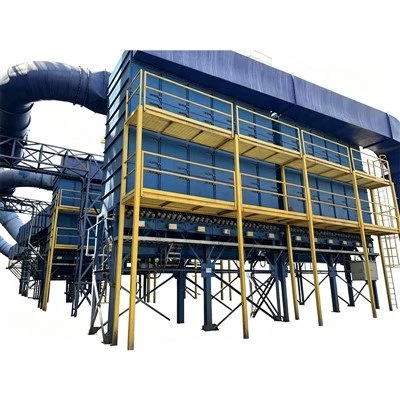
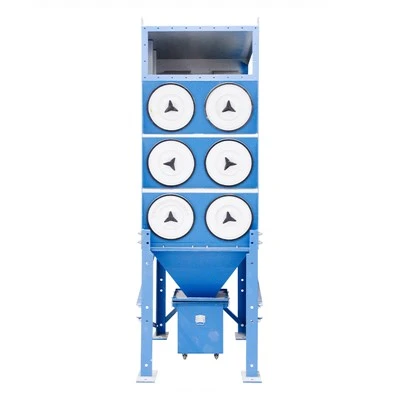
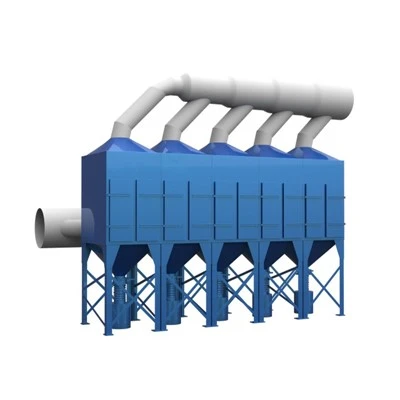
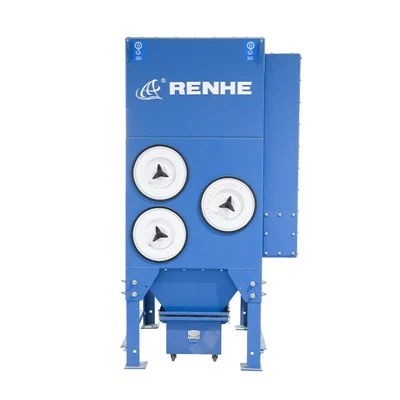
Industrial Dust Removal: Acts as a core component in bag-type dust collectors, capturing dust from gas streams through mechanisms such as inertial impaction and diffusion to ensure exhaust emissions meet regulatory standards.
Chemical/Petrochemical Processing: Designed for environments involving corrosive media; intercepts impurities in process fluids to ensure continuous, stable production under highly corrosive conditions.
Food & Pharmaceutical Processing: Rigorously filters out microorganisms and minute impurities to meet strict industry hygiene standards, ensuring the safety and regulatory compliance of final products.
Hydraulic/Lubrication Systems: Removes particulate impurities from oils, preventing the jamming or wear of hydraulic system components and ensuring the operational precision of power systems.